Wednesday, February 25, 2015

Lighting

Natural Light:

Direct 


Shade


Existing Light:


45 Degrees


Back


Front


Side


Artificial Single Source:


Hard


Soft


Butterfly


Loop


Split


Silhouette


Rembrandt


Artificial Multiple Source:


Hard


Reflector


Soft

Wednesday, December 3, 2014

Elements and Principles of Photography

Leading Lines:  a composition technique where lines that lead directly to the principle subject in the image attract the viewer's eye


the lines of the road lead toward the tree and house in the background

Vertical Lines: lines that go north to south (grandness and spirituality) 
piano keys are positioned vertically


Horizontal Lines: lines that go east to west conveying rest, calm, tranquil 
the boards of wood are laid horizontally


Diagonal Lines: They draw the eye of an image’s viewer through the photograph and create points of interest as they intersect with other lines and often give images depth by suggesting perspective
the rock the turtle is standing on is angled diagonally which make the turtle on a diagonal line


Curved Lines A curved line can be geometric, like the arc of a perfect circle. Curved lines can also be "organic," creating irregular lines and shapes
the edges of the guitar are curved


Symmetrical Balance: one side balances/mirrors the other
you could cut this picture in half and it would hold the same elements on each side


Asymmetrical Balanceinformal balance; occurs when elements are placed unevenly in a piece, but work together to produce harmony overall
the picture couldn't be split in half and have the same things/elements on each side, but it works together as a whole

Unity: all elements work together to produce balanced, harmonious, complete whole
the chains are linked together


Varietya way of combining elements of art in involved ways to achieve intricate and complex relationships
the variety of colors creates the rainbow

Movement/Rhythmthe path the viewer’s eye takes through the artwork; a movement in which some elements recurs regularly
the skater and the water around them is moving

Emphasis: elements that are given dominance or attention


the flower is given the emphasis because it is in color while the background is black and white


Proportion/Scaleratio that defines the size relationships
the tulip is so close to the camera it looks big enough to be the girl's skirt


Repetition/Pattern: repeated consistency of an element
the little glass bubble thing is repeated constantly


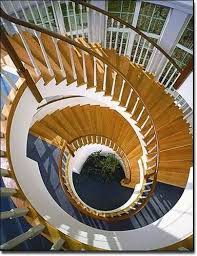
Bird's Eye View: view from above looking down
the camera is looking down from the top of the staircase to the bottom landing


Worm's Eye View: view from below looking up
the camera is in the ground looking up at the house


Horizon Line: a dividing point in the photograph; an anchor that the rest of the image is formed around
the sun and sky both come out of the horizon line


Rule of Thirds: the frame can be divided into three vertical sections and three horizontal sections
it can be divided equally into three vertical and horizontal sections


Framing: using natural surroundings mindfully can add more meaning and focus to your subject
the trees frame the couple


Simplicitykeep the items in your photo relatively simple
the only thing happening in this picture is the flower


Texture: appearance and feel of a surface
you can almost feel the ridges in the picture


Wednesday, November 19, 2014

What is Composition?

Composition is...

...the arrangement of visual elements within the frame of a photograph.


Why is it important to understand and utilize composition in photography?

You have to understand the "rules" of photography in order to be able to bend them creatively to create a meaning. t's how you use it that makes it interesting. 

Aspects of a "snapshot"

A casual record of some event, person, or object. The picture is clear enough to preserve a memory. 

Aspects of a "photograph"

An artistic interpretation of an event, person, or object. It's purpose is to tell the viewer something - what the object was like.  

"Photography is the art of...

...discovery."

Monday, November 17, 2014

Group A Quiz

1)  f/4.0  1/80  ISO 800


I had Emily (the subject) pose in front of these doors so I would be able to focus on her while achieving a blurry background using a low aperture.


2)   f/7.1  1/100  ISO 800


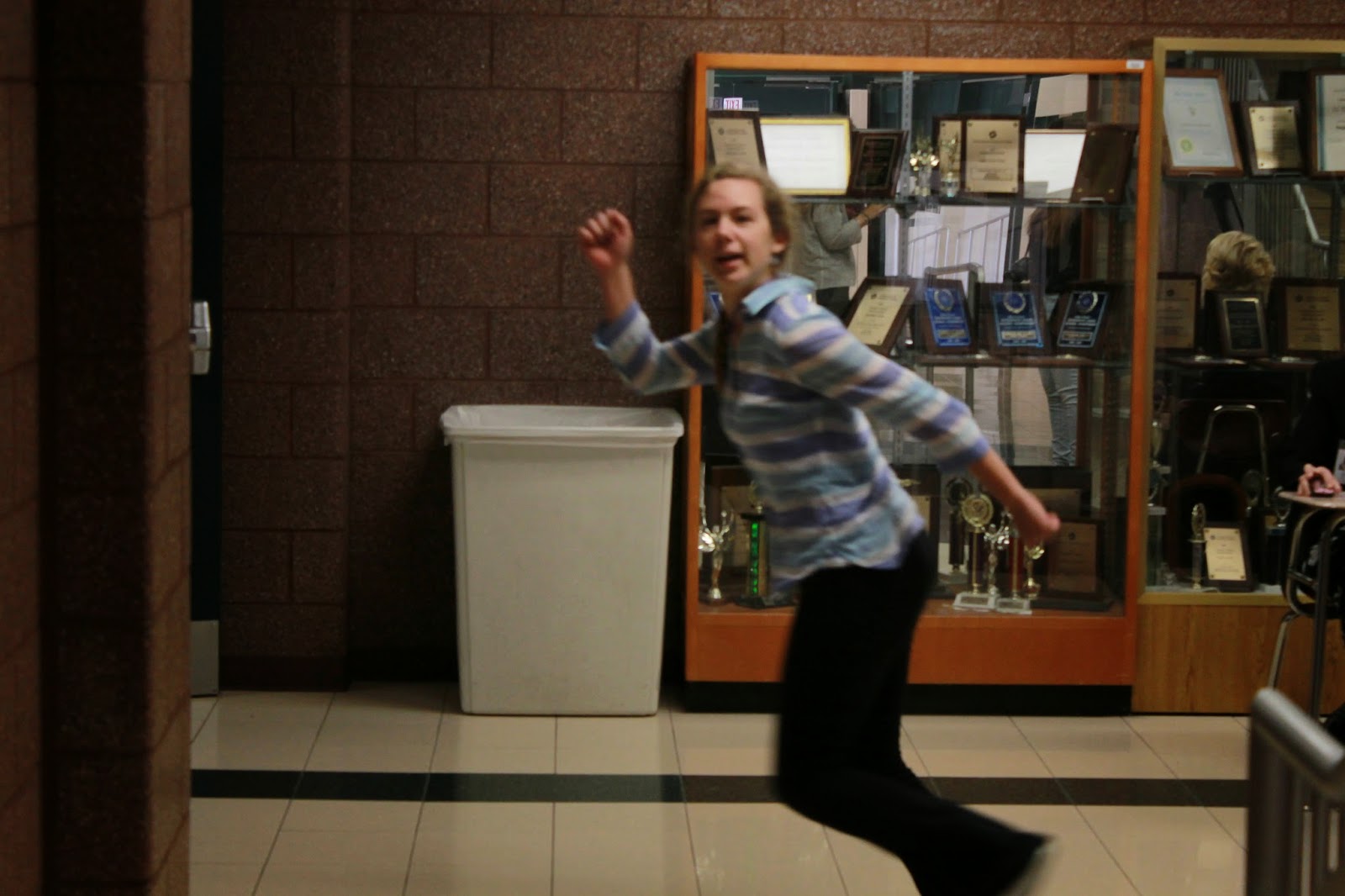
Using a medium aperture and a higher shutter speed, I was able to capture - without blur - Emily doing a C Jump. 


3)    f/5.6   1/100  ISO 400


With the ISO on the low side, I was able to capture Maria's eyeball without any pixels.


4)   f/5.6  1/60  ISO 800


I set the camera on the Tv setting (this sets the shutter speed for me), set the aperture, and the self timer (10 seconds). I put it on the stairs and was able to capture a selfie with blurred motion.


Summary of Camera Knowledge

  • Aperture is the size of the opening in the lens 
    • measured in "f stops"
  • Shutter speed is the amount of time the shutter is open
    • measured in seconds
    • blur is not always bad
  • ISO is the measure of a digital camera sensor's sensitivity to light
    • the higher the ISO the more grain is present in the image
  • Exposure triangle is when all of these are balanced 


Friday, November 7, 2014

Understanding White Balance

Auto 
f/4.5
1/40
ISO 800


Daylight
f/4.5
1/40
ISO 800


Cloudy
f/4.5
1/40
ISO 800


Tungsten
f/4.5
1/40
ISO 800


Fluorescent
f/4.5
1/40
ISO 800


Custom
f/4.5
1/40
ISO 800


What is white balance?

The process of removing unrealistic color casts, so that objects which appear white in person are rendered white in the photo.

Why is it important to set your white balance?

It gives clarity to the photo.


Understanding Shutter Speeds


Blurry

f/13.0
1/60
ISO 1600


No Blur

f/7.1
1/200
ISO 1600


What is shutter speed?

The amount of time the shutter is open

How shutter speed works both technically and visually:

Technically: the length of time the image sensor is exposed to light.  Visually: Blur vs. No Blur

Relationship to the exposure triangle:

The higher or lower the shutter speed, the less balanced the exposure triangle is.